


GREAT SOUTHERN SUBREGIONS
Porongurup
Porongurup

Nestled along the northern slopes of the ancient Porongurup Range, this secluded pocket of Western Australia’s Great Southern may be small in scale, but its contribution to the region’s fine wine story is profound.. Despite being the smallest of the five subregions, Porongurup has steadily built a reputation for producing wines of remarkable purity, structure and elegance — particularly its riesling, which has become a defining expression of the terroir.
Porongurup’s landscape is rich in contrast — rugged granite peaks give way to tranquil vineyards, and while the scale is intimate, the potential is vast.
PORONGURUP
Terroir
Size
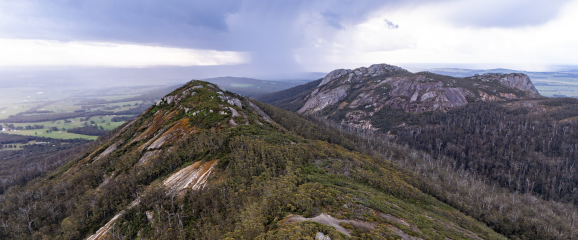
Porongurup is a distinctive subregion within the Great Southern, with approximately 3% of the region’s vineyard plantings. Its scale allows for diverse vineyard plantings across varying elevations, producing wines with precision, purity, and regional definition.
Soil
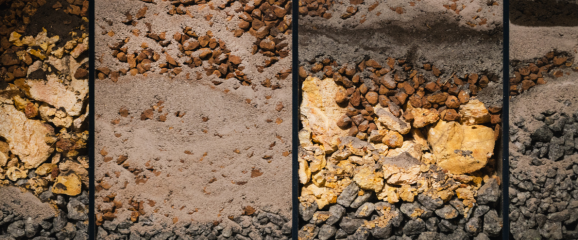
Beneath the surface, deep karri loams and ancient granite soils offer excellent drainage. This gently stresses the vines, encouraging deeper root systems and producing low yields of fruit with pristine varietal flavour.
Elevation
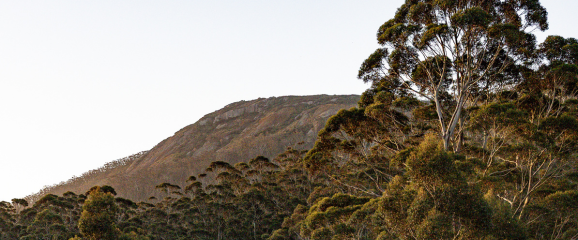
The Porongurup Range, more than a billion years old, rises dramatically from the surrounding farmland, creating an elevated and cool-climate environment. Vineyards here sit between 200 to 400 metres above sea level, benefitting from long sunlight hours, excellent airflow, and the moderating influence of the range’s rain shadow.
Rainfall
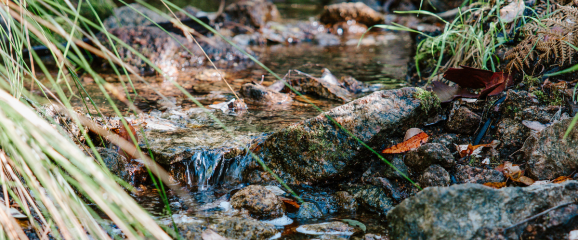
Porongurup receives approximately 310 millimetres of rainfall during the growing season. Positioned in the rain shadow of the granite range, Porongurup experiences a cool climate with reduced rainfall—conditions that favour balanced growth, elevated natural acidity, and fine aromatics in the wines.
Climate
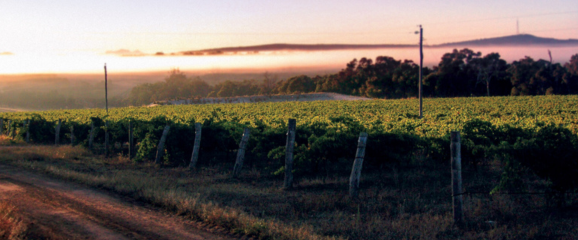
The climate is classified as Mediterranean with a continental twist — cool, mild winters and warm summers, moderated by nocturnal thermal activity. These conditions slow down ripening, allowing grapes to develop complexity while retaining their natural acidity.
Harvest
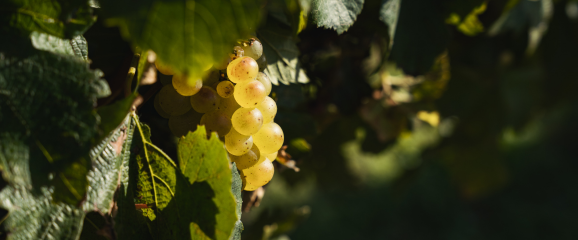
Harvest in Porongurup spans from mid-March through to early May. This extended period allows grapes to achieve optimal ripeness while maintaining their hallmark freshness, producing wines that reflect the region’s cool-climate precision and mineral edge.
PORONGURUP
History

The Porongurup Range is part of an extensive granite basement that underlies much of the southern part of Western Australia and evolved more than 1200 million years ago. The Range consists of an elevated erosional remnant of granite now developed into a ‘dome-like’ granite island rising from the surrounding land. It was first sighted by Europeans passing near Albany in 1802 but farming in the surrounding districts started only around 1859.

Giant karri trees, located on the upper range and jarrah trees on the lower slopes, were harvested for timber in the 1880s. The National Park was gazetted in 1971 and is now around 2,500 hectares. The first vineyards in the region were planted in the mid 1970s. A devastating fire destroyed about 95% of the national park in 2007, however the vegetation has since recovered remarkably well.
OUR WINES
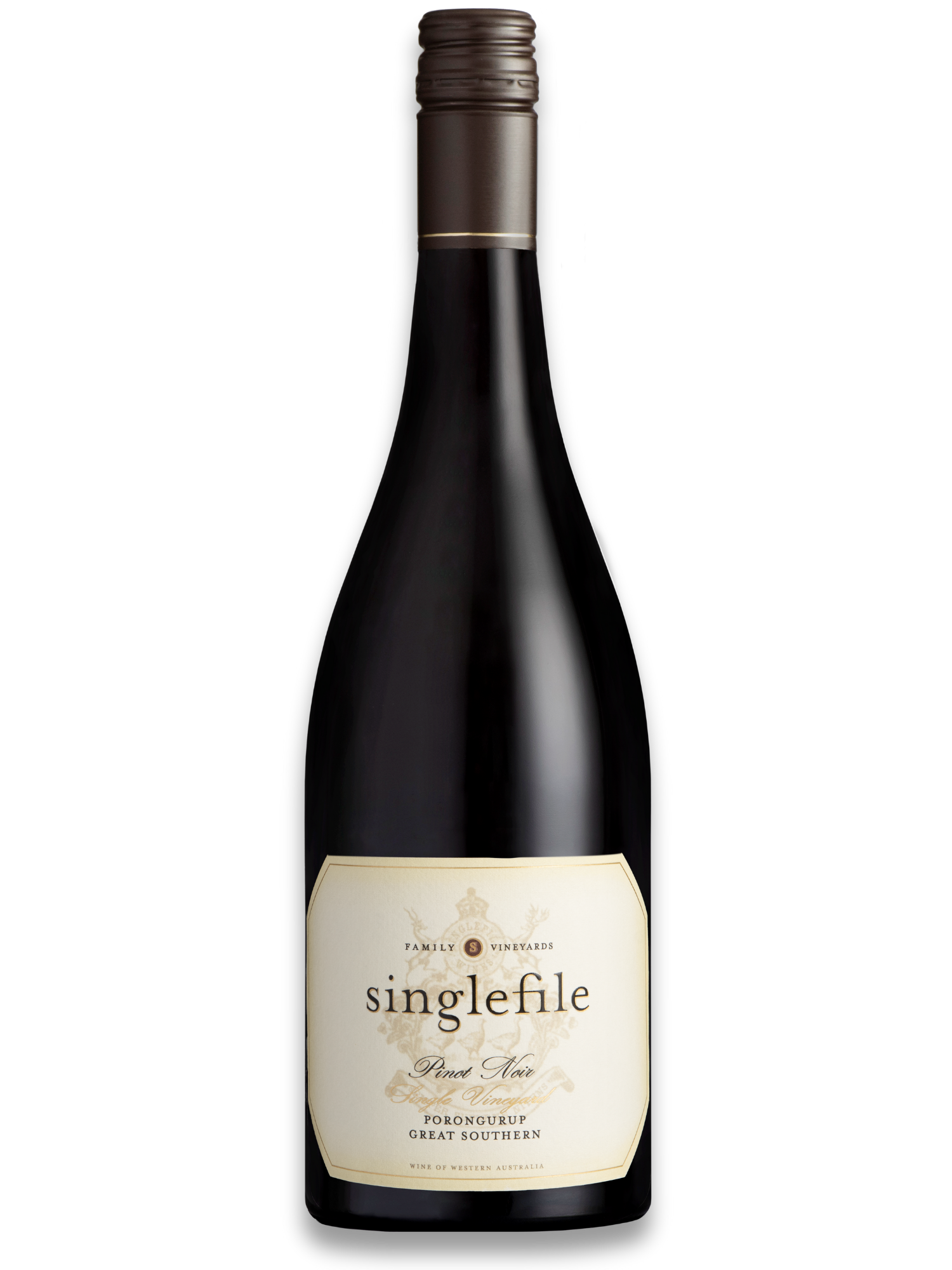
Porongurup




Australia Wide Shipping

