


GREAT SOUTHERN SUBREGIONS
Frankland River
Frankland River

In the north-west corner of Western Australia’s Great Southern region is Frankland River, a hidden gem of the Australian wine world. Revered by winemakers and quietly celebrated by critics, this pristine subregion is the source of some of the Great Southern’s most expressive and powerful red wines. With its combination of climate, elevation, and soil — and its capacity for producing bold, structured styles — Frankland River has become a cornerstone in Singlefile’s pursuit of excellence.
Among the vineyards of Western Australia, Frankland River stands apart. Despite its relative isolation and modest tourism footprint, Frankland River continues to attract attention for the quality of its later-ripening varietals, which mature slowly and develop complexity in this cooler-climate environment. The result is wines with balance, longevity, and a distinct sense of place.
FRANKLAND RIVER
Terroir
Size
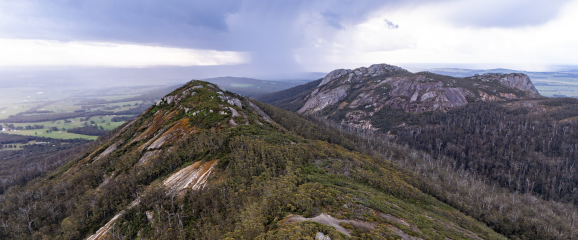
Frankland River is the largest subregion within the Great Southern, with approximately 16 square kilometres under vine. Its scale and diversity allow for a wide range of premium wine styles, showcasing the region’s capability as a leader in Western Australian viticulture.
Soil
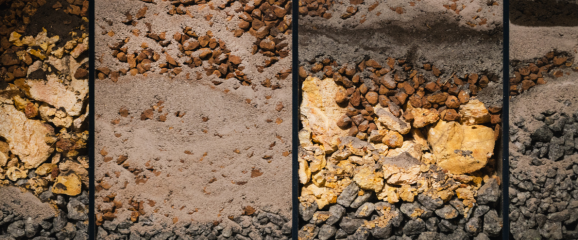
Ironstone gravels dominate, making up almost 60% of vineyard plantings — the highest proportion in the Great Southern. These well-draining soils encourage deep root systems, yielding wines with remarkable intensity and depth. Alongside the gravels are red-brown loams and sandy duplex soils near bedrock, offering complexity and nuance across the subregion.
Elevation
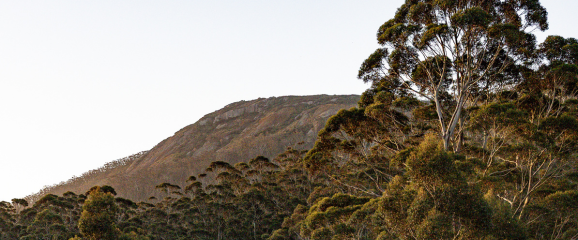
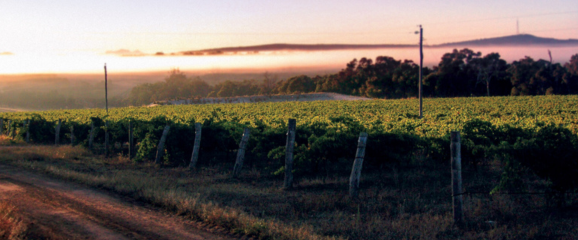
Frankland River’s inland position and elevation — sitting around 250 metres above sea level — create an environment where vines thrive under long, sunlit days and cool, restorative nights.
Rainfall
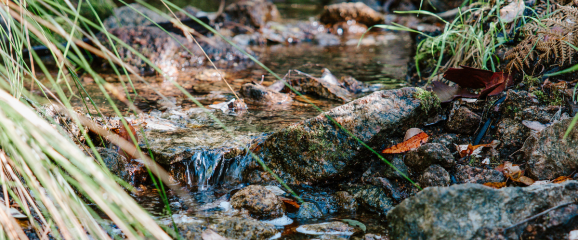
Frankland River receives approximately 310 millimetres of rainfall during the growing season. This reliable yet moderate rainfall supports healthy vine growth without excessive vigour, allowing concentrated fruit development and enhancing flavour intensity.
Climate
The subregion is defined by a blend of Mediterranean and continental climate, tempered by the ‘Albany Doctor’ — a cooling breeze that flows inland from the Southern Ocean, crucial for retaining acidity and extending ripening periods.
Harvest
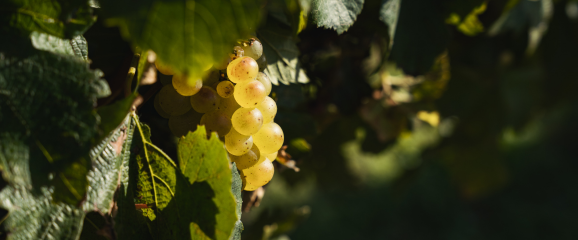
Harvest in Frankland River generally occurs from mid-March through to mid-April. This period allows for steady, measured ripening, resulting in wines that express the region’s hallmark intensity, elegance, and depth.
FRANKLAND RIVER
History

Frankland River lies within the Shire of Cranbrook, often referred to as the gateway to the striking Stirling Ranges. By the late 1850s, following the establishment of an overland route between Perth and Albany, the region began to take shape, with farming leases secured and the area soon recognised for its wool and agricultural production. In 1886, construction began on the Great Southern Railway, further opening the region to opportunity and growth. Image from the State Library of Western Australia.

While the viticultural potential of Frankland River was first noted in the 1930s, it wasn’t until 1968 that the first vines were planted. John Roche, under the guidance of pioneering winemaker Jack Mann, established what would become Houghton’s Westfield vineyard — marking the beginning of the subregion’s winemaking journey.
Since then, respected Western Australian producers such as Frankland Estate, Swinney, and Larry Cherubino have shaped the region’s identity, with each passing vintage revealing more of the unique character held within this remarkable landscape.
OUR WINES
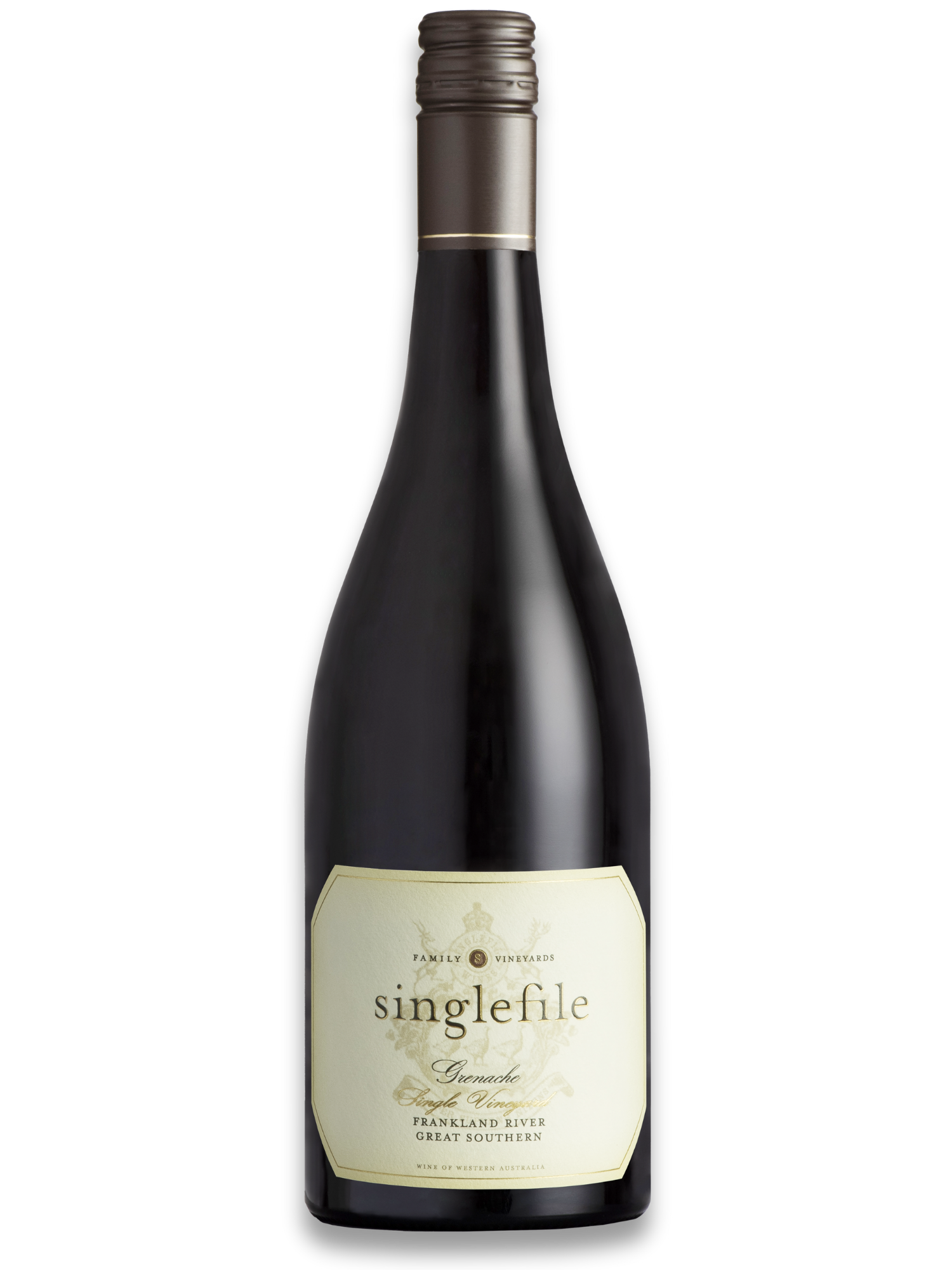
Frankland River
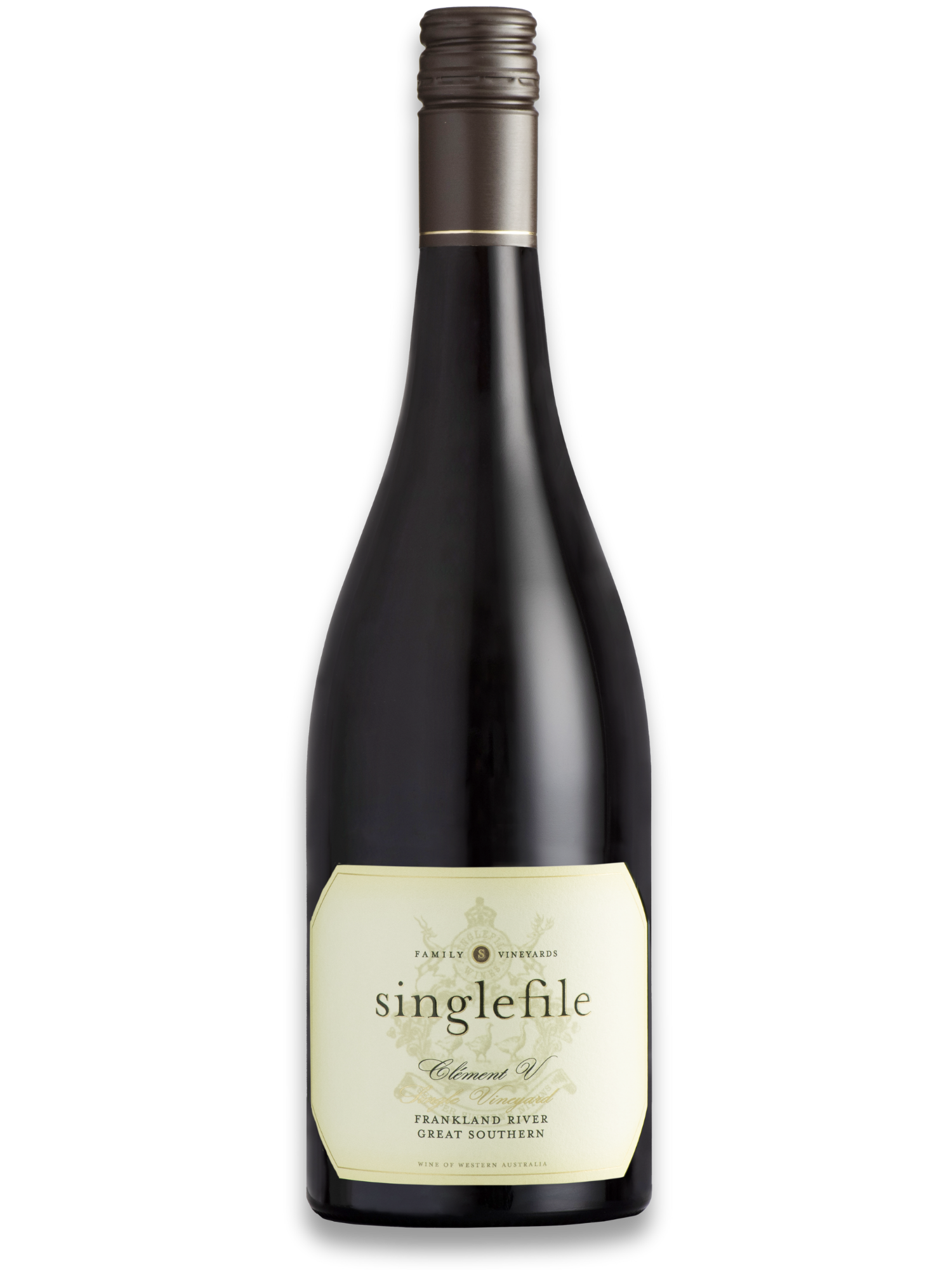
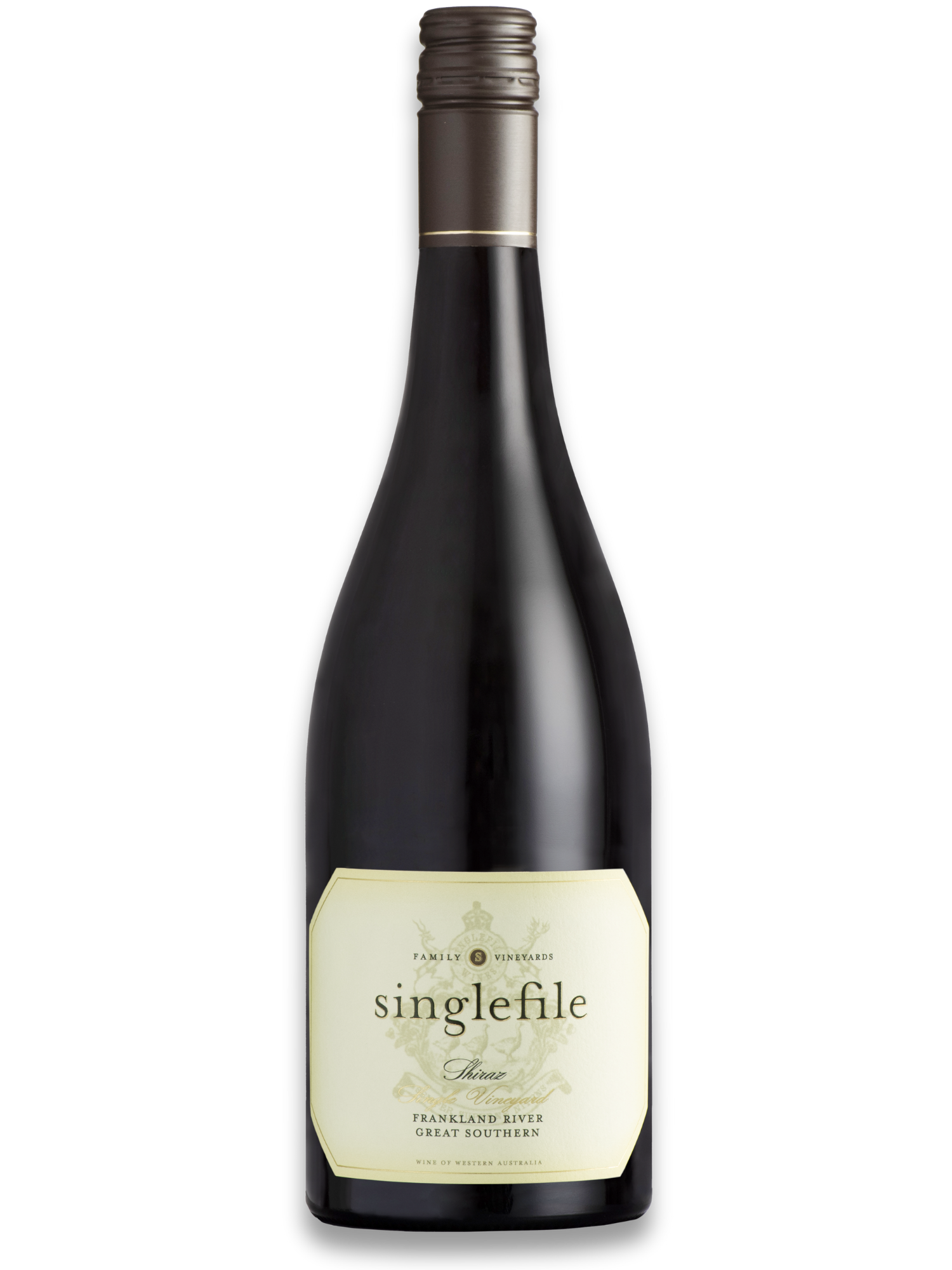
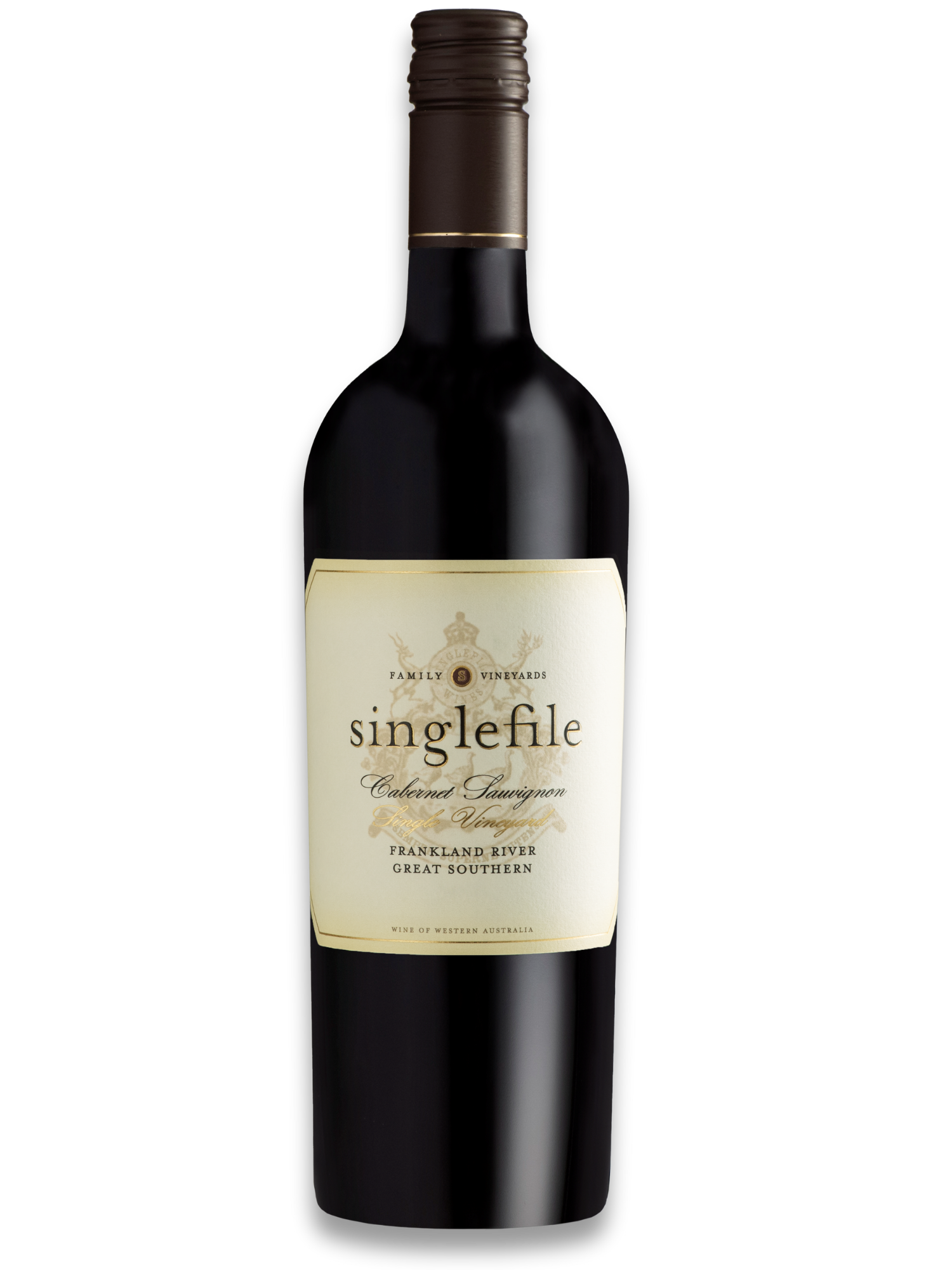
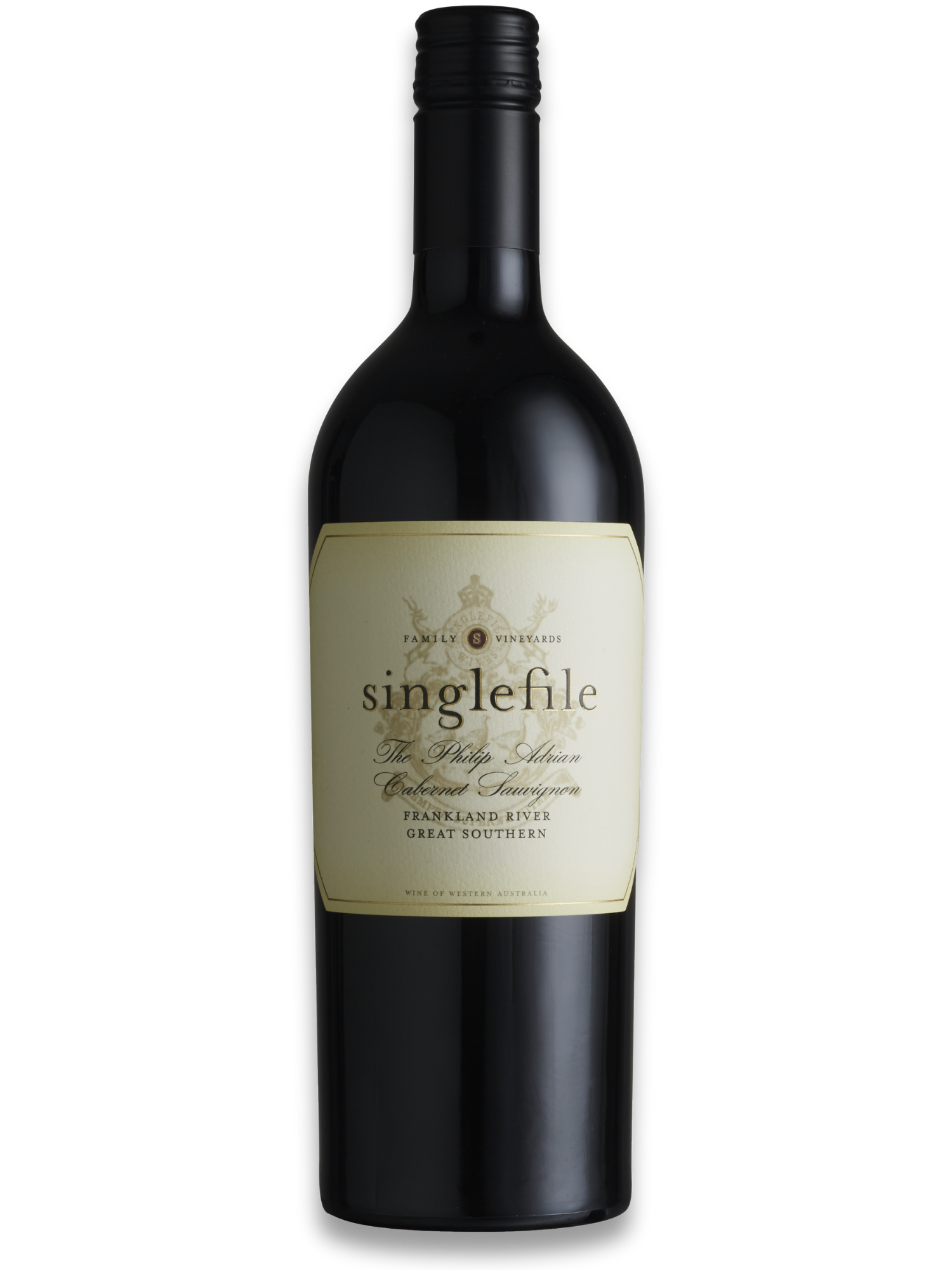

from $92.00
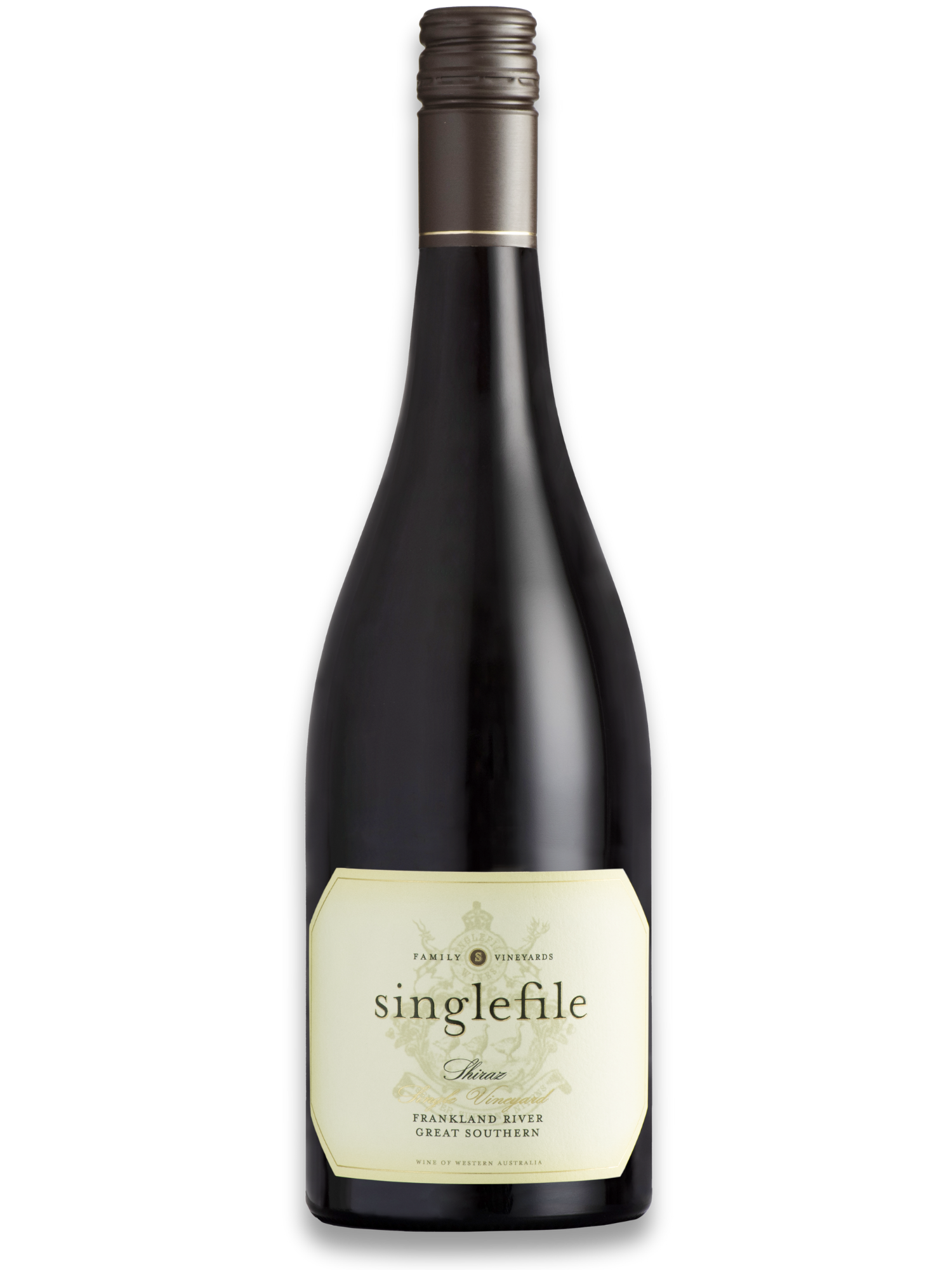
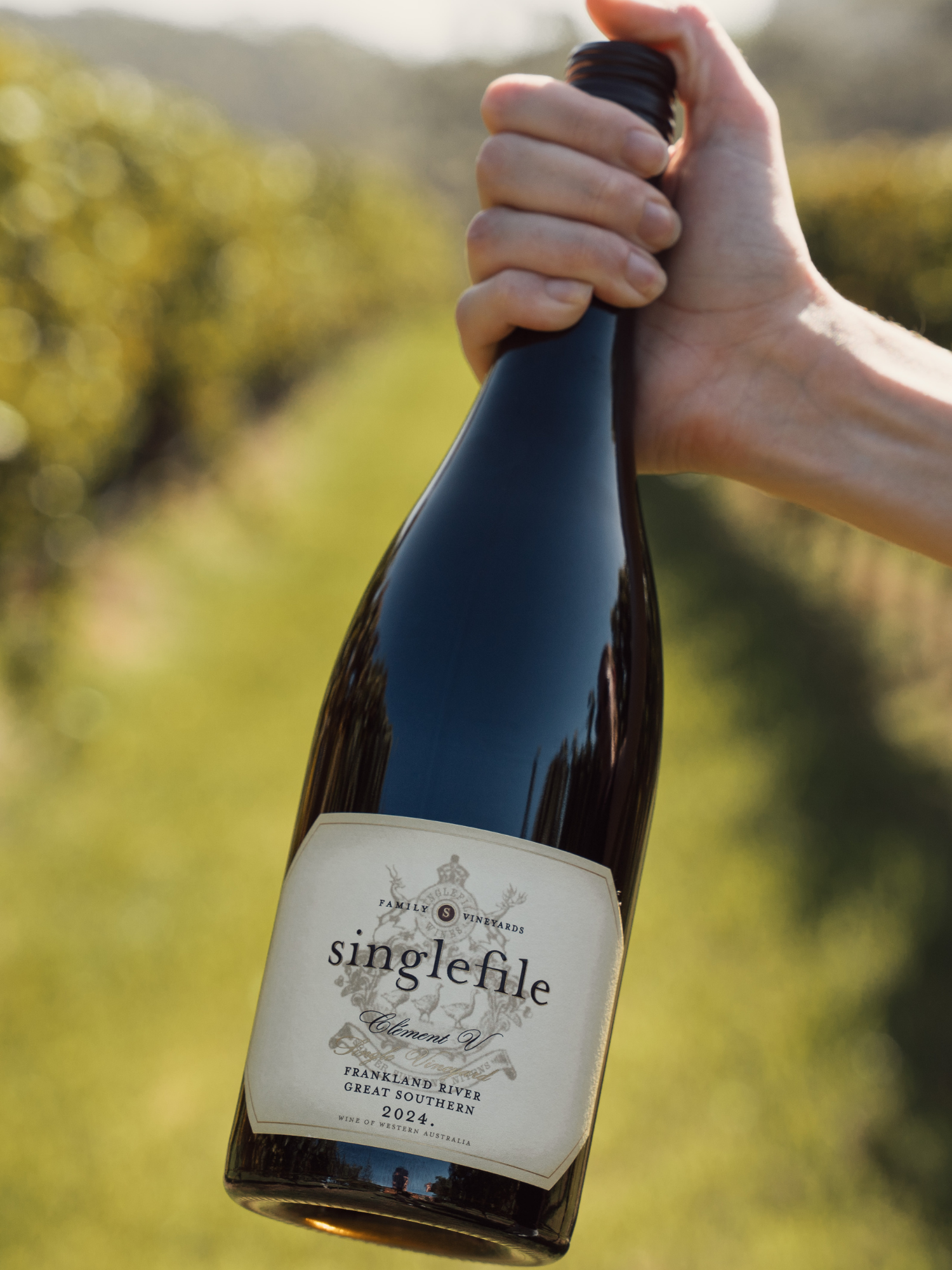
from $95.20


Australia Wide Shipping

