


GREAT SOUTHERN SUBREGIONS
Denmark
Denmark

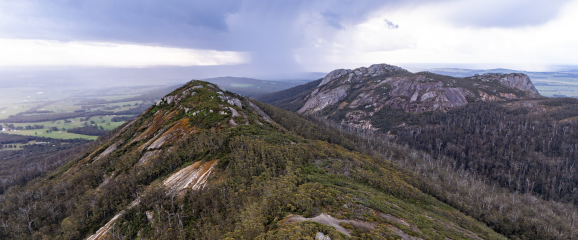
Tucked into the southernmost corner of Western Australia, where the wild coastline meets karri-clad hills, Denmark is one of the Great Southern’s most captivating subregions and home to Singlefile’s cellar door. With its ocean-cooled climate, rich soils and a growing reputation for world-class chardonnay and pinot noir, Denmark has quietly become one of Australia’s leading cool-climate wine destinations.
While known for its laidback lifestyle, natural beauty and welcoming community, Denmark’s true depth lies in its terroir — a landscape shaped by the Southern Ocean and ancient soils that offers unique conditions for refined, expressive wines.
DENMARK
Terroir
Size
Denmark is a small yet significant subregion within the Great Southern, with approximately 3% of the area under vine. Its small scale allows for meticulous vineyard management, while the diversity of its landscapes creates distinct microclimates that produce fruit of exceptional quality.

Soil
A mosaic of soils, including ironstone gravel, sandy loams, and granite from the nearby Porongurup Range, contributes complexity and structure to the wines. Along the Denmark River, rich karri loam and alluvial soils help drive deep root systems, supporting flavour concentration and subtle minerality.

Elevation
Vineyards range in elevation from 50 to 150 metres, often planted on warmer, north- and west-facing slopes to promote ripening.

Rainfall
During the growing season, Denmark receives around 354 millimetres of rainfall. This reliable moisture nurtures vine growth and supports balanced yields, reducing the need for irrigation while maintaining the region’s hallmark freshness and vitality in the fruit.

Climate
The maritime climate moderates temperature extremes and encourages slow, even ripening. With the lowest average sunshine hours and highest cloud cover in Western Australia’s wine regions, site selection here is crucial.

Harvest
Harvest in Denmark typically occurs from early March through to late April. This extended window allows grapes to develop complexity and flavour concentration, resulting in wines that capture the cool-climate character and refined style of this region.
Denmark
History

Following the establishment of the British outpost in Albany, a surgeon among the settlers explored further west and named the Denmark region in honour of a friend. In 1895, brothers Edwin and Charles Millar arrived as some of the area’s first European settlers, founding a number of sawmills that would support a small working community.
By 1907, the Millars had planned to close operations and disband the town, but the Western Australian government stepped in, purchasing the land and enabling families to settle permanently. Growth was gradual, and by the 1960s, Denmark had become home to a modest population of around 1,500.

The first vines in the Denmark subregion were planted in 1974 along Mt Shadforth Road, with further plantings at Tinglewood in 1976 including riesling, shiraz and cabernet sauvignon. The region’s potential was largely unpursued for several years, before renewed activity in the mid- to late-1980s saw vineyards take shape along the Scotsdale Valley — marking the start of Denmark’s emergence as a cool-climate wine destination.
OUR WINES FROM
Denmark



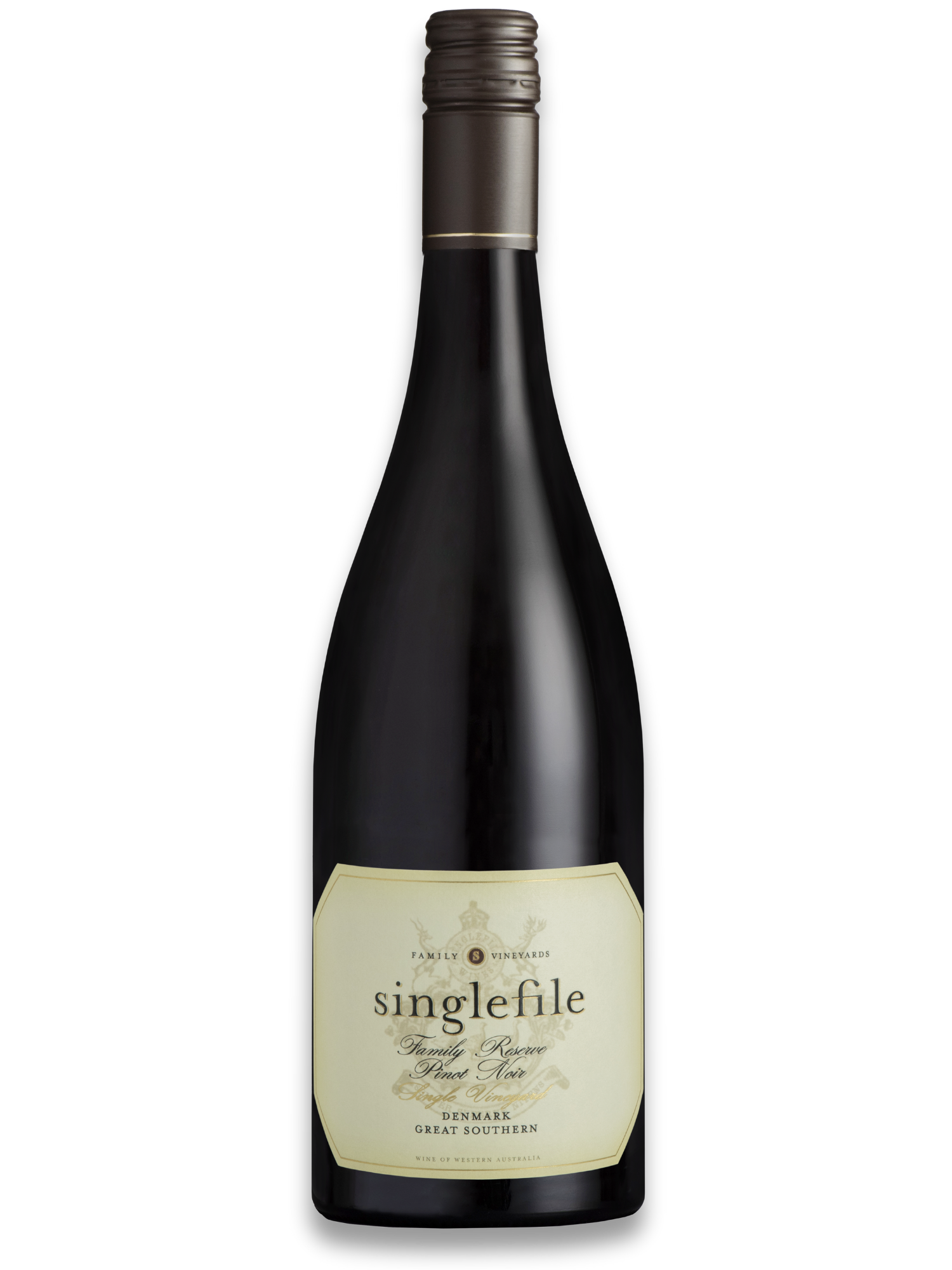
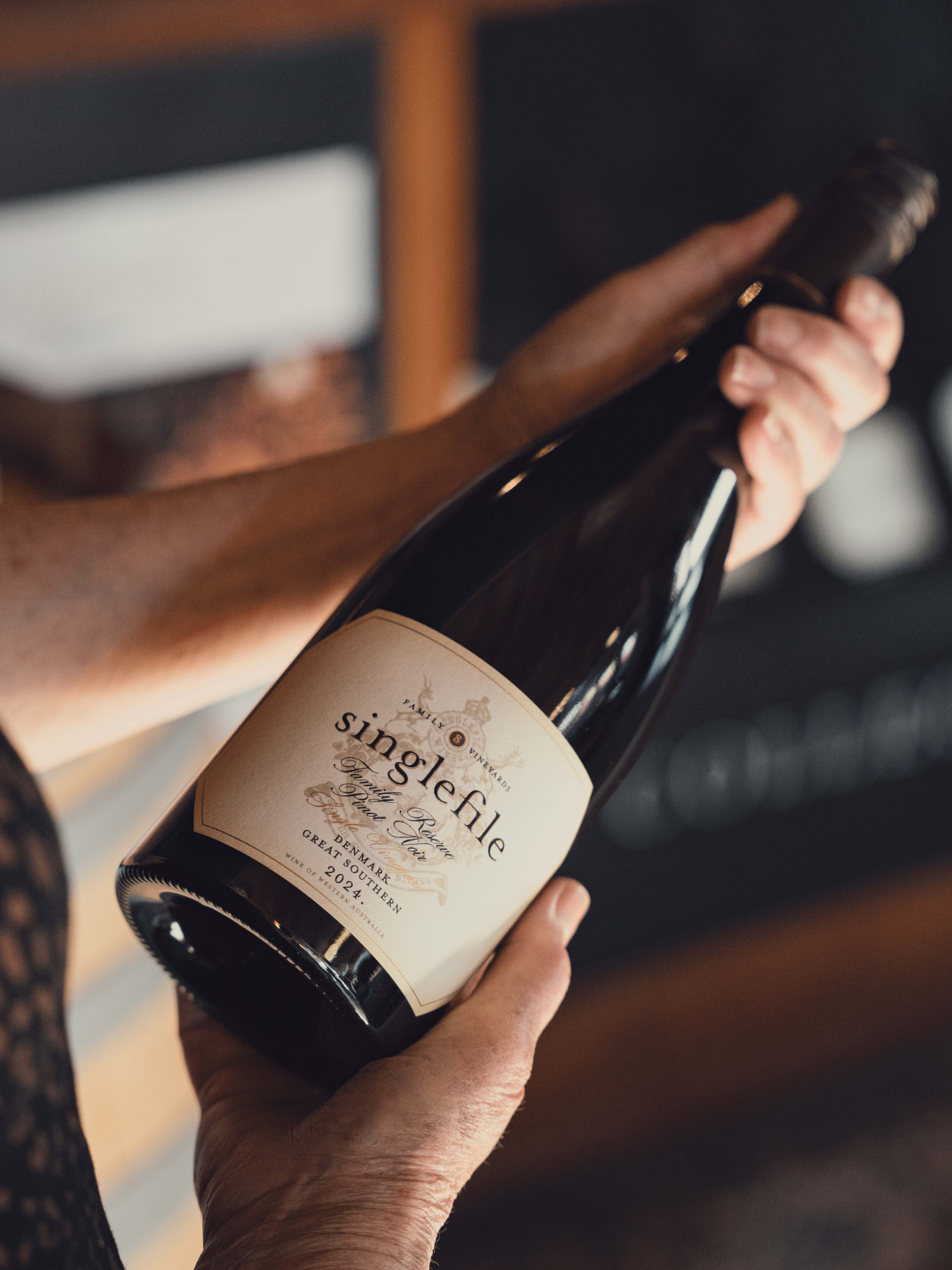


Australia Wide Shipping

